Overcome Legal Barriers and Become Admissible to the U.S.

If you face inadmissibility to the United States for reasons such as unlawful presence, criminal convictions, immigration fraud, health-related issues, or other violations, waivers (pardons) offer a legal second chance for you to obtain your visa, adjust your status, or avoid deportation.

You have already built your story.

Now, we open the borders for you.

The future you deserve starts here!

What are Waivers of Inadmissibility?

Waivers of Inadmissibility are legal mechanisms that allow for the forgiveness of certain violations of immigration laws that would otherwise make a person inadmissible to the United States.
U.S. immigration law establishes various grounds of inadmissibility, listed in Section 212(a) of the Immigration and Nationality Act (INA), including: unlawful presence, entry without inspection, fraud or misrepresentation, criminal convictions, prior visa violations, public health concerns, among others.
When someone is deemed inadmissible, they cannot obtain a visa, enter the United States, adjust their status to permanent resident, or, in some cases, renew immigration benefits.
However, for many grounds of inadmissibility, the law allows for the application of a waiver—essentially, an official pardon—if the person can demonstrate that they meet specific requirements established by law.

Overcome Legal Barriers and Become Admissible to the U.S.

Preparing a successful waiver requires sophisticated legal analysis of the grounds of inadmissibility, the construction of a persuasive narrative that humanizes the case, the compilation of robust documentary evidence (medical, financial, and psychological evaluations; support letters; rehabilitation records).
And a legal argument that convincingly demonstrates the qualifying hardship.

Waivers are ideal for those who face inadmissibility and need a legal pardon to achieve their immigration goals

If you have been informed that you are inadmissible to the United States—whether due to unlawful presence, prior visa violations, criminal convictions, immigration fraud, or other reasons—waivers offer a legal opportunity to overcome these barriers and obtain your visa, Green Card, or avoid deportation.

Individuals who have accrued unlawful presence in the United States and face 3 or 10-year reentry bars when they leave the country to process their visas.

Individuals with prior criminal convictions who wish to obtain visas, adjust their status, or avoid deportation by demonstrating rehabilitation and positive equities.

People who committed immigration fraud or misrepresentation in the past (such as using false documents or making false statements) and need a pardon to regularize their status.

Individuals who were deported or removed from the United States and wish to return legally to reunite with U.S. citizen or permanent resident family members.

Family members of U.S. citizens or permanent residents who can demonstrate that the denial of the immigration benefit would result in extreme hardship to their qualifying relatives.

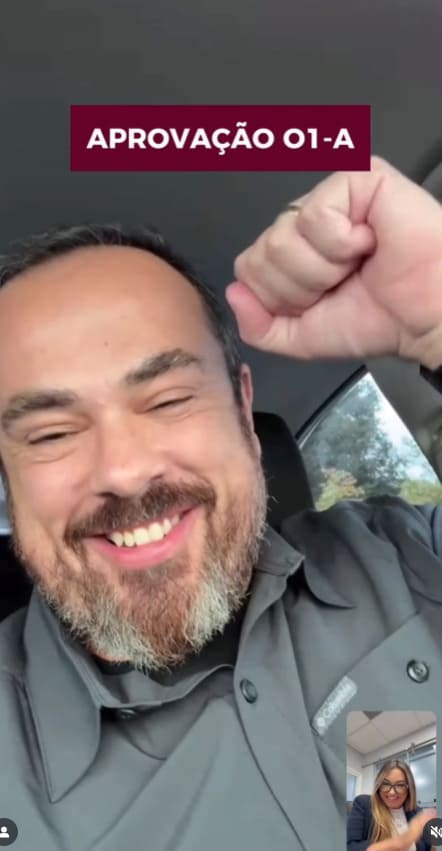
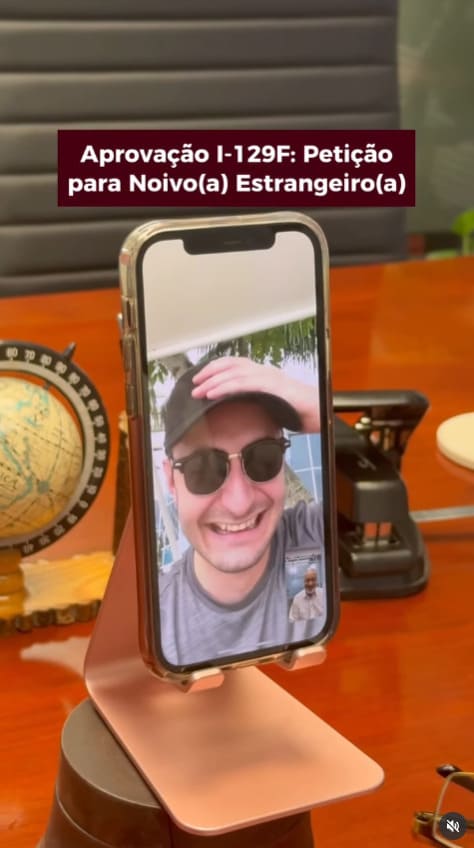
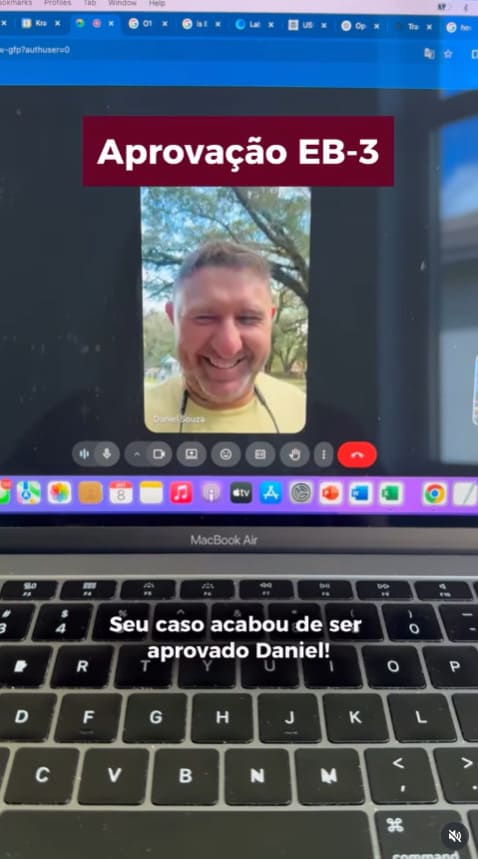
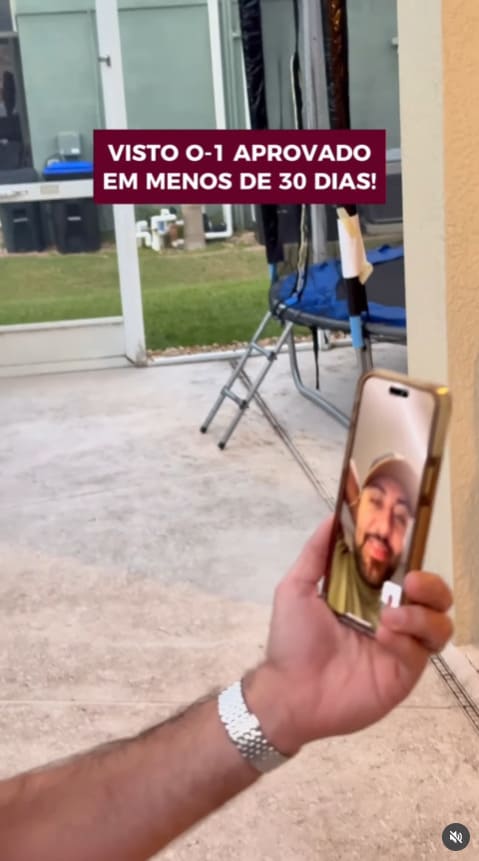
Approved Visas, Dreams Achieved

Discover real stories from clients who achieved their visas with the support of our team.

Our Differentials

Other Offices

360° Support: from planning to approval

Highly experienced attorneys

Strategic vision in every detail

Agility and Clarity in our responses

Integrated service, human, and direct

Confidence and security throughout the entire process

Don't let past barriers prevent your future in the U.S.

Contact Us

Waivers are complex processes that require sophisticated legal strategy, robust evidence, and persuasive narratives. Our team is ready to assess your specific circumstances, identify the appropriate type of waiver, compile compelling documentation, and structure a petition that maximizes your chances of approval.
families served
+ 0
Years of Experience
+ 0

About Us

Founded in 1992, Kravitz & Guerra Law Offices is a law firm with a well-established presence in Miami, Florida, specializing in North American immigration law. With over 40 years of combined experience, our legal team is led by Robert Alan Kravitz, founding partner and active member of the American Immigration Lawyers Association (AILA), and Genilde Guerra, with extensive experience in real estate, tax, and corporate law.

We believe that every immigration process tells a unique story. That is why our approach is deeply personalized: we carefully analyze your profile, design tailored strategies, and guide you through each step with proximity and clarity.

Ficou com alguma dúvida?

Confira as respostas para as perguntas frequentes ou entre em contato conosco:

Atendimento por WhatsApp

Toque no ícone para tirar as suas dúvidas

Atendimento por E-mail

Mande um e-mail agora para attorney@kravitzlaw.com

What are the most common reasons someone might need a waiver (pardon)?
The most common grounds of inadmissibility that require a waiver include: overstaying a period of authorized stay (unlawful presence), clandestine entries or prior deportations, fraud or misrepresentation in visas/documents, certain criminal records, and public health issues, among others.
Extreme hardship is more than the normal difficulties expected from family separation. Factors considered include: the qualifying relative’s serious medical conditions that require specialized care not available in the applicant’s home country; severe financial impact that would compromise the family’s livelihood; conditions of insecurity, persecution, or instability in the country to which the relative would have to move; among other cumulative factors.
The time varies depending on the type of waiver, case volume, and policy changes at the relevant agency. Additionally, the complexity of the hardship documentation and the need for RFEs (Requests for Evidence) can extend the timelines.
For most waivers (including the I-601 and I-601A), the qualifying relative must be a spouse or parent who is a U.S. citizen or lawful permanent resident. Children and other family members do not qualify as primary relatives, although their hardship can be considered indirectly as it impacts the qualifying relative. Each type of waiver has specific family relationship requirements.
It depends on the type of waiver. If you have applied for the I-601A (provisional waiver) and are in the United States, you can remain while awaiting the decision. However, after the I-601A is approved, you will need to leave the United States to attend your consular interview and process the immigrant visa. For an I-601 processed at a consulate, you are generally already outside the United States. Each case has its own specifics.
The most common grounds of inadmissibility that require a waiver include: overstaying a period of authorized stay (unlawful presence), clandestine entries or prior deportations, fraud or misrepresentation in visas/documents, certain criminal records, and public health issues, among others.