

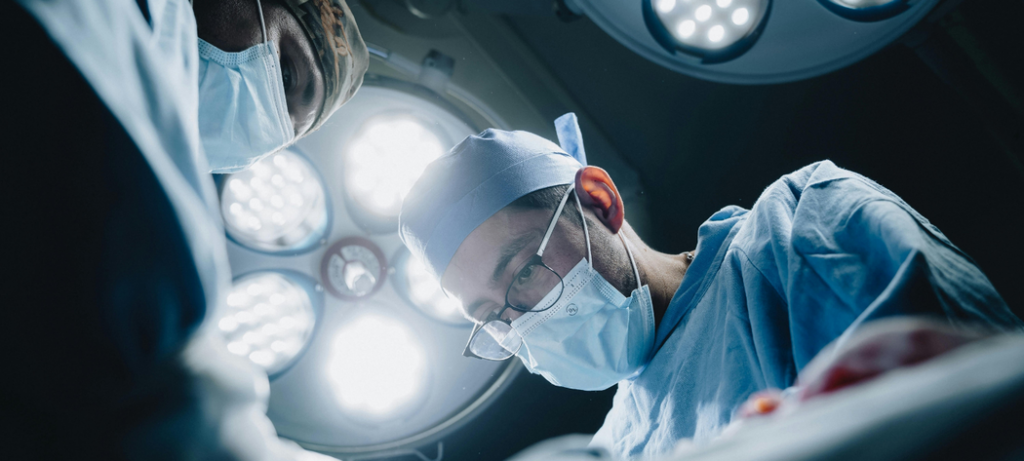
Brazilian dentists, physicians, and healthcare professionals with recognized expertise can access the U.S. market through a path few people know about: the O-1A visa. Unlike the traditional routes, which require passing the USMLE (physicians) or the INBDE (dentists) for immigration purposes, the O-1 evaluates the career you have already built: publications, peer recognition, institutional leadership, and documentable contributions to the field. The visa is granted by USCIS based on evidence of extraordinary ability, not on credentialing exams.
⚠️ Important note: The O-1 visa resolves your immigration status. A state clinical license (required for direct patient care) is a separate regulatory process that varies from state to state. Professionals working in research, consulting, clinical direction, or education frequently do not need a state license to perform their duties. Each case should be evaluated individually by an immigration attorney.
What the O-1A visa is and why it matters for healthcare professionals
The O-1A visa is intended for individuals with extraordinary ability in the sciences, education, business, or athletics — a category that includes physicians, dentists, physical therapists, clinical researchers, and healthcare administrators.
“Extraordinary ability” does not mean being number one in the world. It means being among the small percentage of the field who can document sustained peer recognition, original contributions, and measurable impact in the area.
For O-1A visa purposes, there is no requirement to:
- Pass the USMLE or obtain ECFMG certification (required for physicians on traditional paths such as J-1 and clinical H-1B)
- Pass the INBDE (required for dentists seeking a state license for clinical practice)
- Have your degree revalidated at a U.S. institution
What USCIS evaluates are objective criteria of professional recognition, detailed below.
How dentists qualify for the O-1
Brazilian dentists can qualify for the O-1 by demonstrating extraordinary ability in any area of dentistry, whether clinical, academic, technological, or managerial.
Profiles with strong O-1 potential
- Implantologist with 10+ years of experience, publications in international journals, and a record of training other professionals in techniques they have mastered
- Prosthodontist who developed an oral rehabilitation protocol that is recognized and taught in other practices or universities
- Orthodontist with published research on digital aligners or 3D technology and presentations at international conferences
- Dental surgeon who founded a recognized company or practice and holds a strategic leadership role in the dental sector
- Public oral health specialist with a care model that has been replicated and documented impact in underserved populations
The common denominator: deep specialization in a niche, with concrete evidence that other professionals recognize and reference that expertise.
How physicians and healthcare professionals qualify
Physicians qualify under the same logic. Some examples of eligible profiles are:
- Interventional cardiologist with publications in high-impact journals and experience in highly complex procedures
- Pediatric oncologist with documented contributions to treatment protocols and leadership in multicenter research
- Physical therapist specializing in neurological rehabilitation with a proprietary methodology, publications, and a substantial patient base
- Clinical psychologist with expertise in specific disorders, academic publications, and involvement in institutional programs
The O-1 also applies to healthcare professionals in non-clinical roles: hospital administrators, health systems consultants, medical educators, and researchers.
The USCIS criteria: what has to be demonstrated
USCIS requires the applicant to meet at least 3 of the 8 criteria established for the O-1A. For healthcare professionals, the most frequently applicable are:
1. Prominent awards and recognition
Nationally or internationally recognized awards in the field. It does not have to be a Nobel Prize: awards from respected professional associations, distinctions at conferences, or significant institutional recognition all count.
2. Membership in associations that require merit
Being a member of organizations that admit only professionals with proven achievements.
What counts:
- Scientific associations that require peer review for admission
- Specialty societies with selective criteria based on proven expertise
- National or international organizations that require documented contributions to the field
- Professional colleges where admission depends on distinguished technical qualifications
What does NOT count:
- Associations open to any professional upon payment
- Automatic memberships with no evaluation process
- Purely commercial organizations or unions
⚠️ Note: membership obtained simply by paying annual dues does not count. The criterion requires the association to have a selection process based on professional achievement.
3. Academic publications
Articles published in peer-reviewed journals recognized in the field. Relevant examples: Journal of Dental Research, Oral Surgery Oral Medicine Oral Pathology, American Journal of Cardiology, JAMA, Lancet. Book chapters and publications in conference proceedings may also be considered, with less weight.
Having publications in leading journals is a solid foundation for this criterion.
4. Original contributions of major significance to the field
Treatment protocols you developed that are used by other professionals or institutions. Techniques you have trained colleagues to perform. Clinical or technological innovation that can be documented through letters from colleagues, institutional records, or publications.
5. Invited presentations at conferences
Having been invited as a speaker or research presenter at prominent national or international conferences, not merely attending. This demonstrates that peers recognize you as an authority on the subject.
6. Critical role in an organization or institution with an established reputation
Founding or leading a recognized clinic, company, hospital, or unit. Department head. Director of a graduate or residency program. The role has to be demonstrably one of leadership, not just a title.
7. Salary or compensation significantly above average
Documentation showing that you earn (or earned) compensation substantially higher than the average for the profession in your region, demonstrating that the market recognizes your distinctive value. This is proven with pay stubs, tax returns, and market comparisons.
8. Coverage in trade or mainstream media
Articles about you or your work in professional publications, healthcare outlets, or media with national or international reach.
Real case: dental surgeon and founder of a U.S. company
Our client Humberto, a Brazilian dental surgeon with a solid clinical background in oral surgery, built a career that went beyond the practice: he founded and leads a U.S. company focused on developing innovative business models and on professional training within the dental sector. His profile combined recognized clinical expertise with business leadership and strategic contributions to the healthcare field, exactly the kind of trajectory that can support an O-1 petition. The case was successfully approved.
Watch Humberto’s reaction here.
*Every case is unique. Past results do not guarantee similar outcomes.
The differentiator: clinical expertise + strategic leadership
Professionals who combine both dimensions have the most compelling petitions.
A dentist with a strong O-1 profile generally:
- Performs highly complex procedures and founded or leads a recognized clinic or company
- Has mastered a specialized technique and trains other professionals in it
- Has substantial clinical experience and has published research that advances the field
A physician with a strong O-1 profile generally:
- Practices clinical medicine and leads a department or unit at a respected institution
- Handles complex cases and develops innovative protocols that others adopt
- Has an established practice and publishes regularly in high-impact journals
The combination of exceptional clinical ability + leadership + documented contributions creates a highly compelling petition.
Documentation required for the petition
To build a solid O-1 petition as a healthcare professional, gather:
- A detailed CV with a timeline of experience, specializations, and clinical focus
- Full copies of publications or titles with links to verifiable journals
- Certificates of presentations at international conferences as an invited speaker
- Evidence of membership in associations that require merit for admission
- Letters from colleagues and leaders documenting expertise, volume of complex cases, and impact
- Compensation documentation (pay stubs, tax returns) with market comparisons
- Evidence of clinical or management innovations — protocols, adopted technologies, training delivered
- Documentation for the sponsoring organization (petitioner) — a U.S. employer or agent
O-1 vs. other paths for healthcare professionals
| Criterion | O-1A | H-1B | J-1 (physicians) |
|---|---|---|---|
| Purpose and access | |||
| Primary purpose | Work based on extraordinary ability | Work in a specialty occupation | Medical residency and fellowship |
| Subject to the annual lottery | No | Yes — 85,000/year cap | No |
| Requires a job offer / sponsor | Yes — petitioner required | Yes — sponsoring employer | Yes — ECFMG program |
| Certification requirements | |||
| Requires USMLE / ECFMG for the visa | No | Yes — for clinical medicine | Yes — ECFMG mandatory |
| Requires INBDE for dentists | No | Depends — state license may require it | N/A — J-1 does not cover dentists |
| Applicable to dentists | Yes | Yes | No — physicians only |
| Conditions and duration | |||
| Requires return to home country | No | No | Yes — 2 years (waiver possible) |
| Initial duration | Up to 3 years | 3 years | Up to 7 years |
| Renewable | Yes — indefinitely (1-year extensions) | Up to 6 years — extendable if green card is pending | Not renewable — fixed program term |
| Allows a green card application (dual intent) | Yes | Yes | No |
* The state clinical license — required for direct patient care — is a regulatory process separate from the visa, and is required under any of these categories.
** The ECFMG (Educational Commission for Foreign Medical Graduates) certifies physicians exclusively for U.S. residency programs. Dentists use the H-1B for graduate training.
*** The J-1 visa for physicians is sponsored by the ECFMG and tied to ACGME-accredited programs (residencies and fellowships). It does not apply to professionals who have already completed their training.
What makes the O-1 unique: it recognizes a career you have already built, with no lottery and no requirement to pass credentialing exams in order to obtain the visa itself. It is the most suitable path for those who already have sustained recognition in their field and want to work in the U.S. in a position that matches that level.
Does your profile meet the O-1 visa criteria?
Healthcare professionals with relevant clinical experience, publications, or strategic roles may have a viable path to the O-1 — provided the documentation is properly structured. A technical assessment identifies strengths, gaps, and the best strategy for your case.
*This article is for informational purposes only and does not constitute legal advice. Every case is unique and requires individual analysis by a qualified attorney.